
Introduction
Soil health is at the heart of sustainable agriculture. Among the critical indicators, soil pH directly impacts nutrient availability, crop growth, and long-term farm productivity. Traditionally, measuring soil pH has required manual sampling and lab testing, which is both time-consuming and costly.
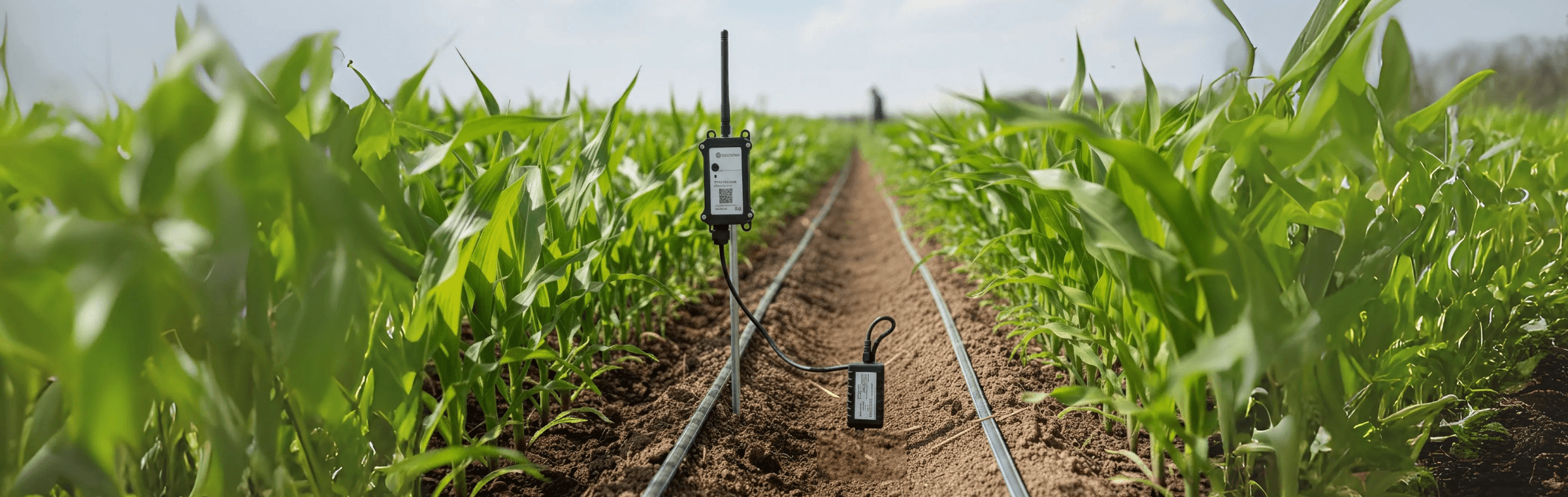
The Dragino SPH01-LB LoRaWAN® Soil pH Sensor changes this dynamic by providing continuous, remote soil pH monitoring over long distances using ultra-low-power LoRaWAN® connectivity. In this blog, we explore how to effectively install, handle, and maintain the SPH01-LB sensor for maximum reliability.
Why Soil pH Monitoring Matters
- Nutrient Availability: Plants can only absorb nutrients effectively when pH is balanced.
- Crop Selection: Certain crops thrive in acidic versus alkaline soils.
- Fertilizer Optimization: Prevents overuse of lime or acidic fertilizers.
- Sustainability: Supports precision farming with minimal input waste.
Device Overview: Dragino SPH01-LB
- Sensor Functionality: Measures soil pH directly with high accuracy.
- LoRaWAN® Connectivity: Up to 10–15 km line-of-sight coverage, ideal for large farms.
- Battery Powered: Low power consumption with multi-year battery life.
- Outdoor Ready: Designed for field deployment with weatherproof housing.
How to Install the SPH01-LB Effectively
- Choose the Right Location: Select representative areas of the farm. Avoid spots near irrigation inlets, compost piles, or high-salt regions.
- Prepare the Soil: Ensure the soil is moist (not dry, not waterlogged). Remove stones or debris to avoid false readings.
- Proper Sensor Placement: Insert the probe vertically into the soil at the root zone depth (typically 10–20 cm). Ensure full contact between soil and probe surface. Do not push the probe into hard, dry soil (pre-moisten if needed).
- Avoid Metal Interference: Do not place near metallic poles, underground wires, or pipelines, which can distort readings.
- Mounting the Device Body: Place the LoRaWAN® sensor box above ground, mounted on a stake or pole. Ensure the antenna is vertical for best signal strength. Keep the body away from direct water exposure, even though it is weatherproof.
Handling & Maintenance
- Calibration: Dragino sensors are pre-calibrated, but periodic calibration using standard pH buffer solutions (pH 4.0, 7.0) ensures long-term accuracy.
- Cleaning: Rinse the probe gently with distilled water after removal. Avoid using strong chemicals or abrasives.
- Battery Check: Monitor battery voltage via LoRaWAN® uplinks. Replace or recharge as required.
- Storage: If not in use, keep the probe in a moist soil container or use a probe storage solution to avoid drying out.
Real-World Benefits
The Dragino SPH01-LB provides tangible benefits across multiple agricultural and research settings. Farmers can adjust lime and fertilizer use in real time, optimizing crop growth while reducing waste and cost. Greenhouses maintain consistent soil conditions for sensitive crops, ensuring higher yield quality. Research institutions and educational facilities can conduct long-term soil studies without labor-intensive sampling. Smart agriculture projects can integrate SPH01-LB data into IoT dashboards, enabling AI-driven decision-making and precision farming strategies.
The Results
- Improved Soil Management: Continuous monitoring allows timely interventions to maintain optimal soil pH.
- Cost and Input Savings: Real-time insights reduce over-application of lime and fertilizers, saving money and resources.
- Enhanced Crop Performance: Balanced soil pH supports better nutrient absorption, promoting healthier plants and higher yields.
- Reliable Data for Research: Accurate, continuous monitoring reduces manual errors and supports long-term studies.
Key Lessons
- Correct Installation is Critical: Proper probe-to-soil contact defines measurement accuracy and reliability.
- Regular Calibration Ensures Trust in Data: Especially important for research-grade applications and precision farming.
- Proper Maintenance Extends Sensor Life: Gentle cleaning, correct storage, and battery management ensure years of reliable operation.
- Location and Soil Preparation Matter: Choosing representative sites and preparing the soil properly prevents false readings and ensures consistent monitoring.
Conclusion
The Dragino SPH01-LB LoRaWAN® Soil pH Sensor empowers farmers, greenhouse managers, and researchers with continuous, accurate soil monitoring without the need for manual sampling. By following best practices for installation, handling, and maintenance, users can achieve reliable performance, longer device life, reduced operational costs, and meaningful insights for smarter agriculture and precision farming.
Keep Exploring Our Blog Collection
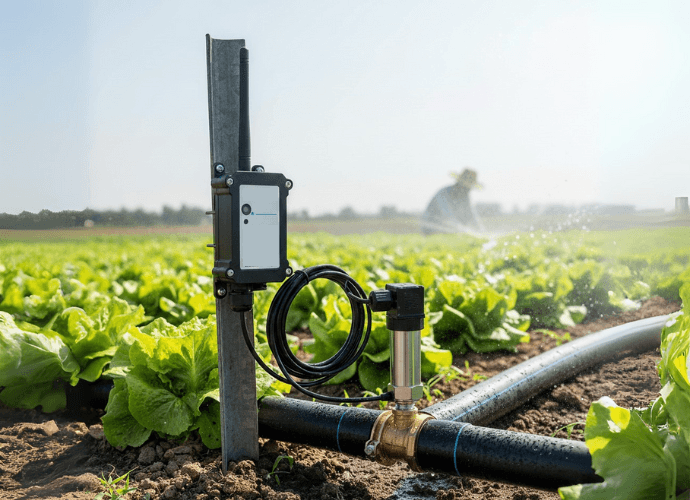
Installation Guide for Dragino PS-LB
Pressure is a critical parameter in industries ranging from water management to ...
Learn More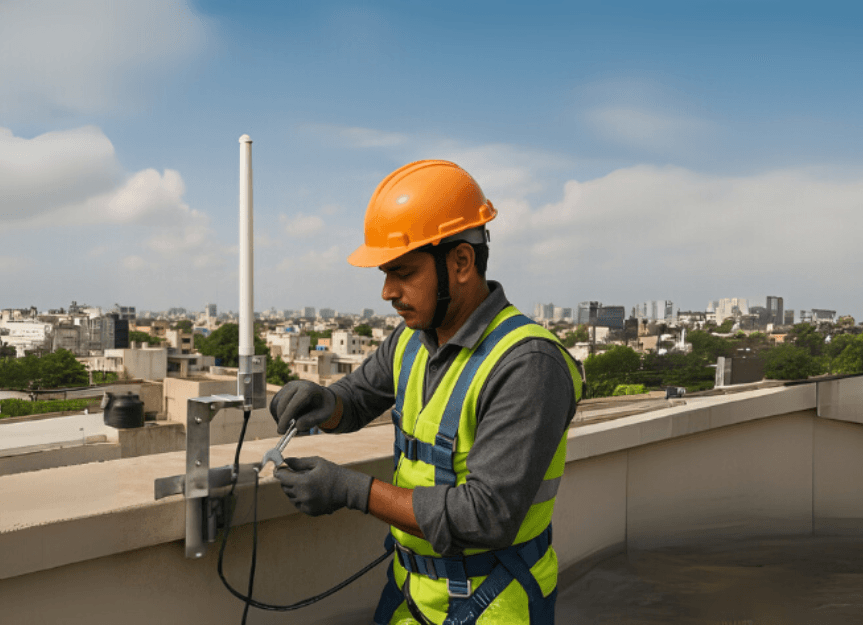
LoRaWAN® Antenna Gain and Coverage
When organizations deploy LoRaWAN® networks at scale, one of the most over...
Learn More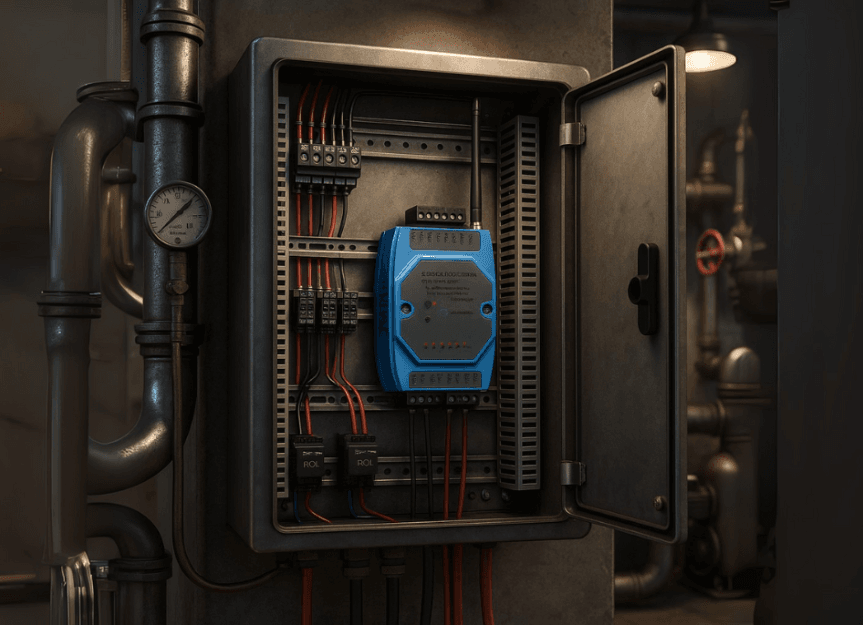
Getting Started with Dragino LT-22222-L
In IoT and automation projects, monitoring sensors is only half the story ...
Learn More
LoRaWAN® vs Cellular: The Scalable IoT Choice
LoRaWAN® and Cellular technologies both serve as powerful communication options ...
Learn More


© 2026, AIoTkart. All Rights Reserved.


