

Introduction
When organizations deploy LoRaWAN® networks at scale, one of the most overlooked factors is the choice of antenna. Many assume that a higher-gain antenna (like 9 dBi) will always improve coverage. In reality, antenna gain and beamwidth must be matched to the environment—otherwise, the network suffers from blind spots, unreliable links, and wasted investment. This blog explores a real-world case study of how optimizing antenna gain and beamwidth transformed LoRaWAN® performance across urban, suburban, and rural environments.
Why Antenna Gain and Beamwidth Matter
- Antenna Gain (dBi): Determines how far a signal can reach by focusing energy.
- Beamwidth: Defines the angle of signal spread (both horizontal and vertical).
The trade-off is simple: higher gain equals narrower beamwidth. That’s ideal for long-range outdoor links but can fail indoors or in cluttered environments where wider coverage is needed.
The Challenge
A fast-growing IoT integrator deployed LoRaWAN® across:
- Dense urban areas (smart city nodes in high-rise zones)
- Suburban campuses (industrial parks and universities)
- Rural deployments (long-distance sensors on farms and open fields)
They initially standardized on 9 dBi antennas, expecting maximum coverage everywhere. Instead, they experienced:
- Weak indoor penetration in cities
- Uneven suburban coverage
- Inefficient rural performance when signals spread too widely
Real-World Antenna Data
In real-world deployments, antenna performance is influenced by several practical factors such as mounting height, surrounding obstacles, and environmental conditions. For example, a high-gain directional antenna can provide long-range connectivity in rural or open areas, but its narrow beamwidth requires precise alignment. On the other hand, lower-gain omnidirectional antennas are more suitable for urban environments where devices are spread across multiple directions. Field tests often reveal that even small changes in antenna orientation or installation height can significantly impact signal strength and coverage reliability. Understanding these dynamics helps network planners choose the right balance between antenna gain and beamwidth to ensure optimal LoRaWAN® coverage and performance.
The Solution
The network was redesigned with environment-specific antenna choices:
- Rural Gateways (towers, farmland): 9 dBi fiberglass omnidirectional antennas for maximum line-of-sight reach.
- Suburban Campuses: 5–7 dBi antennas for broader vertical spread, covering open spaces and semi-cluttered zones..
- Urban Smart Nodes: 3 dBi omnidirectional antennas for strong multipath tolerance and better penetration in dense areas
The Results
- Network Uptime: +30% — fewer retransmissions and stronger connectivity.
- Coverage Expansion: +20% — dead zones eliminated through optimized beamwidth.
- Cost Savings: Reduced reliance on expensive high-gain antennas; fit-for-purpose deployments lowered TCO.
Key Lessons for LoRaWAN® Deployments
Higher Gain ≠ Better Everywhere: 9 dBi works outdoors, but not indoors.
Beamwidth is Critical: Narrow beams focus range but can miss nearby devices.
Match to Environment:
- Dense indoor: 3 dBi
- Suburban mixed: 5–7 dBi
- Rural LOS: 9 dBi
Conclusion
LoRaWAN® performance depends as much on antenna design as on gateways and sensors. By aligning gain and beamwidth with the deployment environment, IoT providers can build resilient, scalable, and cost-efficient networks. This case study highlights that a smarter antenna strategy improves coverage, reliability, and ROI — turning blind spots into breakthroughs.
Keep Exploring Our Blog Collection
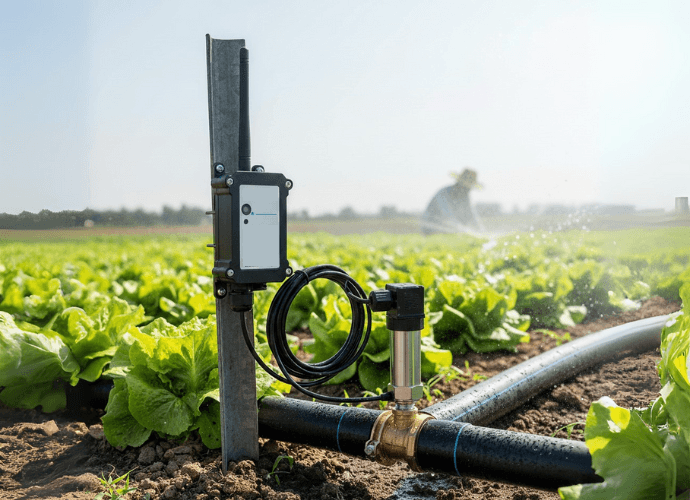
Installation Guide for Dragino PS-LB
Pressure is a critical parameter in industries ranging from water management to ...
Learn More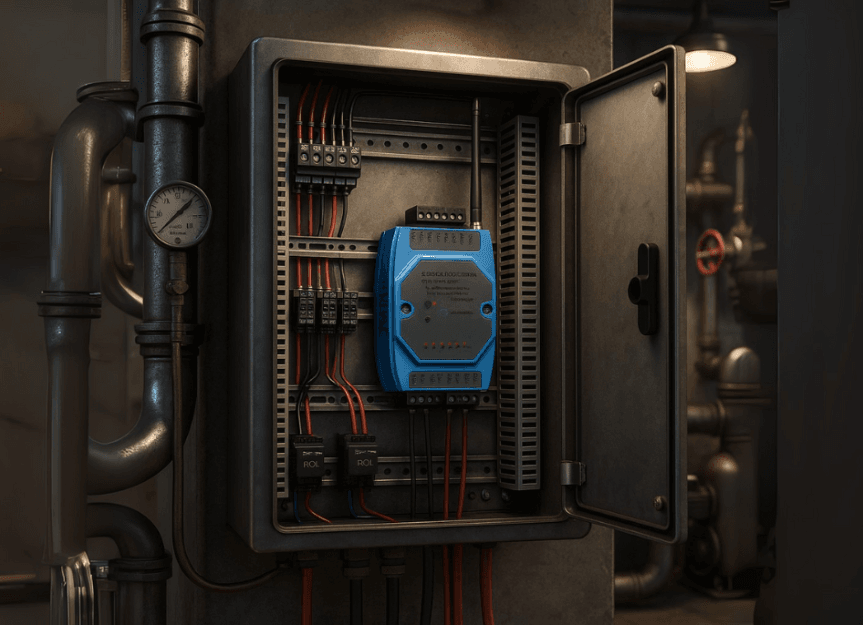
Getting Started with Dragino LT-22222-L
In IoT and automation projects, monitoring sensors is only half the story ...
Learn More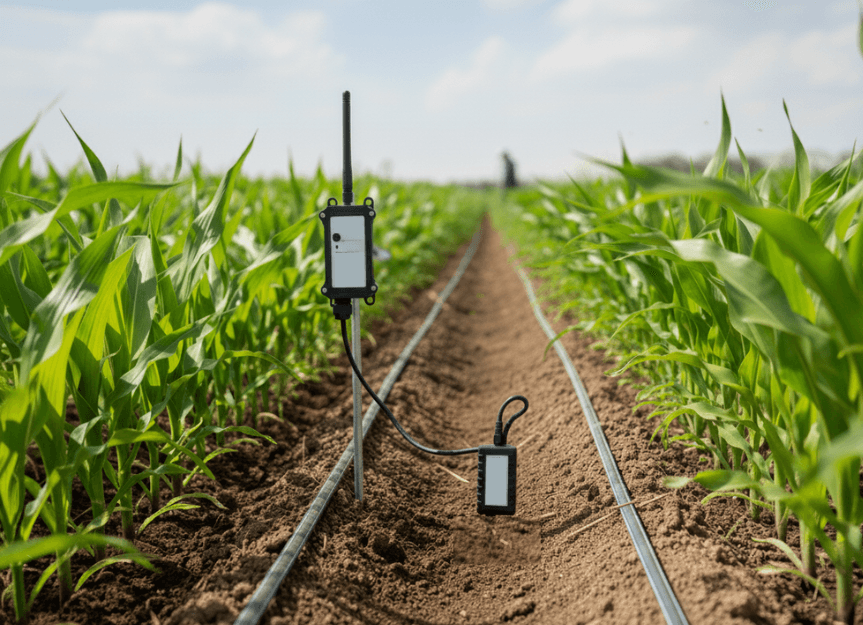
Pro Tips for Dragino SPH01-LB LoRaWAN® Soil pH Sensor
Soil health is at the heart of sustainable agriculture. Among the critical ...
Learn More
LoRaWAN® vs Cellular: The Scalable IoT Choice
LoRaWAN® and Cellular technologies both serve as powerful communication options ...
Learn More


© 2026, AIoTkart. All Rights Reserved.


